This month’s news from the Estate comes from Miserden’s Head Forester, John Rutterford
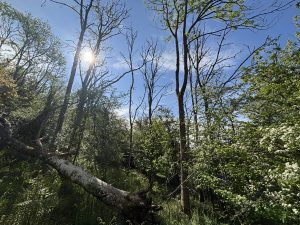
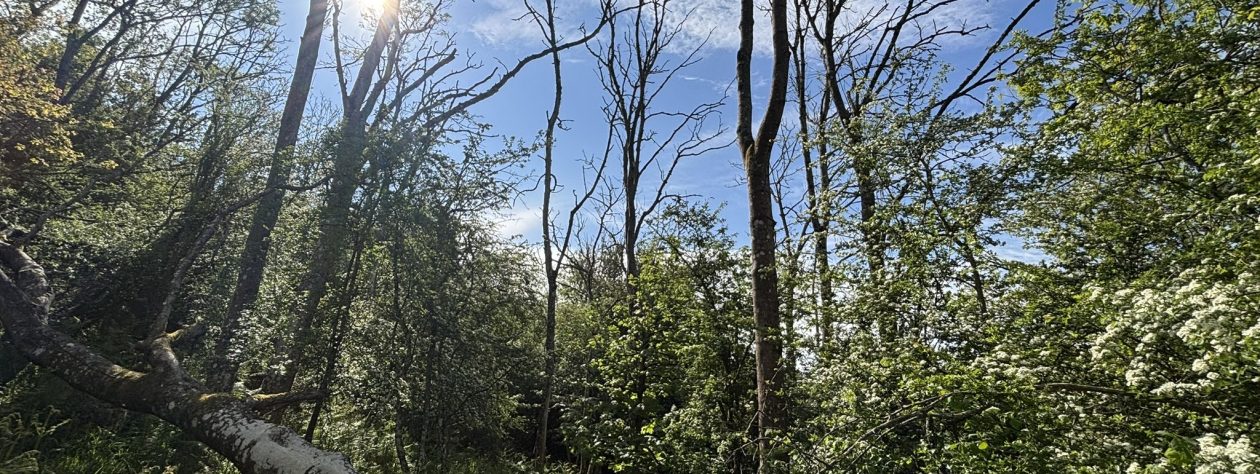
Since completing the hedge planting in April, we have been busy back in the woods, carrying out essential forestry work to remove ash trees affected by ash dieback.
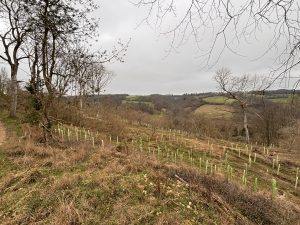
Ash makes up around 60% of the woodland on the Estate, so the impact of the disease has been significant. Where clear-felling has been necessary, we have been working to replace the lost ash and ensure the long-term health and diversity of the woodland. Over the past five years, around 60,000 trees have been planted across the Estate.
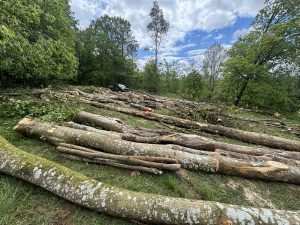
The cleared areas have been replanted with 16 different species, including oak, beech, hornbeam, cherry, birch, field maple, walnut, wild pear, Italian alder, wild service tree, lime, Norway spruce, European larch, and Douglas fir. This diverse mix has been carefully chosen to create a more resilient woodland, while also producing quality oak and beech timber as the final crop. Timber from the woodland is either chipped and used in the biomass boilers that provide heat and hot water for all the properties in the village, or sold as firewood.
Our current focus is on ash trees that have died close to public rights of way and in areas regularly used by visitors. Removing these trees is an important part of the Estate’s ongoing health and safety programme, helping to keep the woodland safe while allowing us to continue managing it for the future.
Although ash dieback has presented a considerable challenge, the work being undertaken now is helping to create a healthier, more diverse and sustainable woodland for generations to come.
Comments 4
Wonderful news for Miserden as well as the planet, plus those like myself who’ve over the years enjoyed running safely on my own through the woodland estate.
If I can volunteer for a role I’d be delighted to contribute. I do work, but willing to give up some time to give back..
Author
Hello Karen
Thank you for your comment. It is lovely to hear such positive feedback. We are organising some hedge planting later in the year with the Gloucester Vale Conservation Volunteers.
WOW,Very wonderful
That was amazing